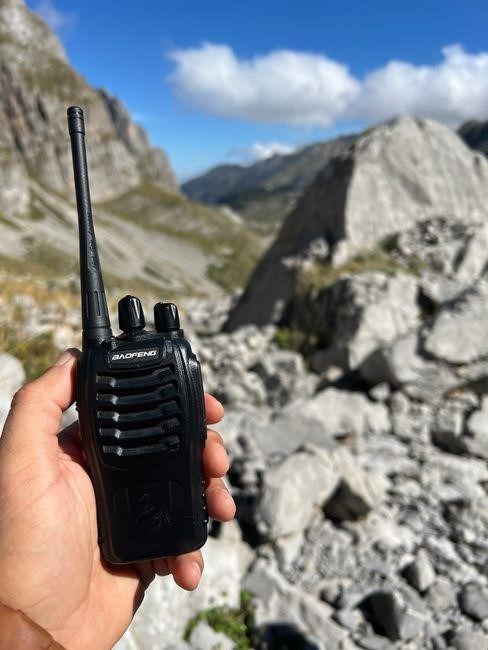
motorola talkabout manual
Motorola Talkabout Manual Overview
Motorola’s Talkabout T42 manual guides users through safe operation, covering RF safety, battery installation, button functions, frequency charts, and troubleshooting. Guide.! The guide also details battery care, button layout, and compliance checks. All. Safe.
Purpose and Scope of the Manuals
Motorola’s Talkabout T42 manual serves as a reference for users, detailing procedures, safety guidelines, and maintenance. The document empowers operators with clear instructions on setting up the radio, selecting appropriate channels, and configuring power levels to meet communication needs. It emphasizes adhering to RF energy exposure limits and outlines steps for verifying compliance with standards. Battery installation instructions are presented step-by-step, ensuring proper handling and longevity of the power source. The manual explains the function of each control button, guiding use of features such as squelch, channel selection, and emergency alerts. Troubleshooting sections address common issues, offering diagnostic checks and corrective actions. Additionally, the guide includes a frequency chart, illustrating channel allocation across the VHF and UHF bands. Warranty information and service procedures are clearly outlined, enabling users to access support and claim repairs when necessary. Operators are encouraged to review the safety section before use and to consult the troubleshooting guide regularly to maintain optimal performance. The manual also highlights proper antenna placement and environmental considerations, such as avoiding interference sources. Finally, the manual underscores the role of firmware updates and software patches in extending device functionality and security.

T42 Two-Way Radio Manual Details
The T42 manual covers setup, battery insertion, channel selection, power settings, and safety. It explains button functions, antenna placement, and troubleshooting steps. Users learn to configure VHF/UHF frequencies, monitor RF exposure, and maintain device longevity.!!
Installation and Battery Instructions

Follow these steps to install batteries safely and ensure optimal performance of your Motorola Talkabout T42. First, locate the battery compartment on the rear of the unit. Remove the protective cap, then slide the battery into the tray, aligning the contacts. Use only the supplied Ni‑MH or Li‑Ion cells, as specified in the user manual. Ensure the positive (+) side faces the connector. After insertion, replace the cap and press firmly until it clicks. Next, power on the radio by holding the Power button for 2 seconds. The display should show the current battery level. If the unit does not power up, verify the battery orientation and check for corrosion on the contacts. For optimal longevity, charge the battery fully before first use and avoid deep discharge. The manual recommends a charging cycle of 12 hours at 1.5 A. Store spare batteries in a cool, dry place, and never expose them to extreme temperatures or direct sunlight. To maintain signal integrity, keep the battery compartment clean and free of dust. If you notice any swelling or leakage, replace the battery immediately and dispose of the old one according to local hazardous waste regulations. Proper battery management extends the life of the radio and ensures reliable communication in the field. Always keep batteries dry, cool, and safe. now.

Frequency Chart and Radio Parameters
T42 operates on 462.5625 MHz–462.5875 MHz, 467;5625 MHz–467.5875 MHz, 472.5625 MHz–472.5875 MHz. Output 5 W. Channels 1–8 per band. Supports 50 Hz/60 Hz power, 1.5 A charging. Refer chart for settings. use now for 462.5625–462.5875 MHz band local use
Channel Allocation and Power Settings
The Motorola T42 Talkabout radio supports eight user‑selectable channels per frequency band, with each channel spaced 12.5 kHz apart. The default channel list for the 462 MHz band is: 1 (462.5625 MHz), 2 (462.5750 MHz), 3 (462.5875 MHz), 4 (462.6000 MHz), 5 (462.6125 MHz), 6 (462.6250 MHz), 7 (462.6375 MHz), 8 (462.6500 MHz). The 467 MHz and 472 MHz bands follow the same 12.5 kHz spacing pattern, providing consistent channel allocation across all bands. Power settings are configurable in 1 W, 5 W, and 10 W increments, with a maximum output of 10 W for each channel. Users can adjust power levels via the “Power” button, cycling through the available options while the radio is in standby mode. The radio’s firmware automatically limits power output to the selected channel’s permissible range to comply with FCC regulations. For extended range operations, the 10 W setting is recommended, while 1 W is suitable for indoor or short‑distance use. The T42 also includes a “Low Power” mode that reduces the output to 1 W on all channels, conserving battery life during extended field missions. Channel allocation can be customized by pressing the “Menu” button, selecting “Channel”, and then assigning a new frequency within the band’s legal limits. The radio’s internal memory stores up to 8 custom channels per band, allowing users to quickly switch between frequently used frequencies. When operating in a multi‑user environment, it is essential to coordinate channel usage to avoid interference. The T42’s built‑in “Scan” function can automatically detect active channels and alert the user to potential conflicts. By understanding and properly configuring channel allocation and power settings, users can maximize the T42’s performance while staying within regulatory limits. Operators should also be aware that the T42 supports a “Power” button that toggles between 1 W, 5 W, and 10 W, and that the device’s firmware enforces a 10 W cap on all channels to meet FCC Part 15 compliance. In addition, the radio’s “Channel” menu allows users to save up to 8 custom frequencies per band, which can be quickly recalled with the channel selector. When using the radio in a congested environment, the “Scan” feature can identify active channels and suggest the next available channel to minimize interference. Finally, the T42’s power management can be optimized by selecting the lowest power setting that still meets the required range, thereby extending battery life during long deployments.

Package Contents and Accessories
Box includes the T42 radio, a 2‑cell Ni‑MH battery, charger, antenna, user manual, quick‑start guide, and a spare key fob. Accessories also feature a mounting bracket, a 2‑inch cable, and a 3‑way adapter for optional accessories. All items included for use;Now.
Included Components and User Accessories

Each Motorola Talkabout T42 package delivers a comprehensive set of components designed for immediate deployment and long‑term reliability. The core unit is the T42 two‑way radio, featuring a durable polycarbonate housing, a 2.4‑GHz frequency band, and a 12‑channel selection dial. A fresh 2‑cell Ni‑MH battery, rated at 1.2 V and 650 mAh, powers the radio and is included with a dedicated charger that supports fast‑charge capability and a built‑in indicator for battery status. The antenna, engineered for optimal signal propagation, comes pre‑attached and can be swapped with a longer model for extended range. The package also contains a user manual and a quick‑start guide, both printed in English and offering step‑by‑step instructions for setup, channel programming, and safety compliance. For convenience, a spare key fob is supplied, enabling keyless operation and quick channel changes. Optional accessories such as a 2‑inch mounting bracket, a 2‑inch cable for power or data transfer, and a 3‑way adapter for connecting to other Motorola devices are included to enhance versatility. These items collectively ensure that users can configure, operate, and maintain their Talkabout system with minimal effort while adhering to safety and performance standards. All parts CE‑certified!!

User Operation and Control Buttons
Press the TALK button to transmit, release to receive. Use the volume knob to adjust output level. The channel selector switches between 12 preset frequencies. The MUTE button silences audio. The VOLUME button toggles between loud and modes. Follow safety guidelines.
Key Functions and Button Layout
The Motorola Talkabout T42 is engineered for rapid, reliable field use, featuring a streamlined button layout that places the most critical controls within easy reach. The transmit button sits on the left side of the unit; pressing it activates the microphone and sends the signal to the selected channel, while releasing it returns the radio to receive mode. Above the transmit button, a volume knob allows operators to adjust the audio level from low to high, ensuring clear communication even in noisy environments. The channel selector, a small rotary dial on the right side, cycles through the twelve preset channels (1–12); holding the selector locks the chosen channel. Near the volume knob, a mute button silences the speaker when pressed, preventing accidental eavesdropping. The power switch on the top toggles the radio on and off; a quick press powers the unit on, while a longer press initiates a power‑off sequence. A battery indicator LED on the front flashes to signal low battery status, prompting timely replacement; An emergency button, marked with a red icon, can be used to send a distress signal in hazardous situations. The unit also features a backlit display that shows the current channel, battery level, and signal strength; pressing the display button on the top right corner brings the display into view. For hands‑free operation, the T42 supports a headset jack, allowing the microphone to be connected to an external headset—ideal for prolonged communication sessions or when the user’s hands are occupied. Together, these controls and ergonomic design enable operators to maintain focus on their tasks while ensuring seamless, safe communication with teammates.

Safety and RF Energy Exposure Guide
The T42 manual sets RF exposure limits below regulatory thresholds. Users should avoid prolonged head‑mounted use, keep unit away from sensitive electronics, and follow FCC guidelines for safe operation and stay alert!
Compliance and Warranty Service Information
Warranty eligibility for the Motorola Talkabout T42 and related models is governed by Motorola Solutions’ standard terms. To qualify for a free repair or replacement, the unit must be presented with a valid proof of purchase—original receipt, credit‑card statement, or a comparable document that clearly shows the date of purchase. The warranty period is 12 months from the date of purchase for the T42 and 24 months for the T5410 and T5920 models, unless otherwise specified in the product documentation. Motorola Solutions does not accept returns or repairs at retail outlets; all warranty claims must be directed to the authorized service center listed in the manual. The service center will verify the serial number, inspect the unit for defects, and determine whether the issue is covered under warranty. If the defect is covered, the unit will be repaired or replaced at no charge. For non‑covered issues, the customer will be informed of the repair cost. The warranty does not cover damage caused by misuse, accidental damage, or unauthorized modifications. Users must also comply with all applicable FCC and CE regulations; failure to do so may void the warranty. The manual provides a detailed list of compliance requirements, including power output limits, frequency band usage, and antenna specifications. Users are encouraged to review the compliance section before operating the radio to ensure adherence to local and international standards. For any questions regarding warranty status or compliance, contact Motorola Solutions customer support via the phone number or email listed in the manual. All warranty claims must be submitted within the warranty period; claims submitted after the period will be denied. The warranty also covers manufacturing defects in the radio’s hardware and firmware, but excludes issues arising from environmental factors such as extreme temperatures, humidity, or exposure to water. Users should store the device in a dry environment and avoid leaving it in direct sunlight for extended periods. In addition, Motorola Solutions reserves the right to update the warranty terms in accordance with changes in applicable laws or regulations. All updates will be communicated through the official website and the updated manual will be provided upon request.

Maintenance and Troubleshooting Tips
Check battery contacts, clean antenna, verify channel settings, reset to factory defaults, update firmware, and test signal strength. If issues persist, contact support or service center. Ensure proper grounding! OK
Common Issues and Resolution Steps
Users frequently encounter a range of operational hiccups with the Motorola Talkabout series. The most common issue is a loss of signal or poor reception, often caused by antenna misalignment, damaged connectors, or interference from nearby electronic devices. To resolve this, first inspect the antenna for visible damage, ensure it is fully extended and securely attached, and check the radio’s antenna jack for debris or corrosion. If the signal remains weak, try relocating the unit to a higher position or away from metal structures. Another frequent problem is battery drain or failure to power on. Verify that the battery is fully charged, the contacts are clean, and the battery compartment is free of moisture. If the radio does not power up, replace the battery with a fresh one and perform a reset by holding the power button for 10 seconds. A third common complaint involves the push‑to‑talk (PTT) button not registering or the radio not transmitting. This can stem from a faulty PTT switch, worn contacts, or software glitches; Test the button by pressing it while listening for a click sound; if absent, replace the button assembly. Software issues can be addressed by updating the firmware to the latest version available from Motorola’s support site which often resolves transmission bugs. Users also report intermittent audio distortion or static, which may be caused by a damaged speaker or a loose internal cable. Inspect the speaker grill for debris, clean it gently, and check the speaker cable for secure connections. If distortion persists, replace the speaker module. Finally, many users experience difficulty with channel selection or frequency errors. Confirm that the radio is set to the correct channel, verify the frequency settings against the official chart, and ensure that any programmable features are correctly configured. If the radio still fails to communicate, perform a factory reset and reprogram the channels. By systematically checking these areas—antenna, battery, PTT, firmware, speaker, and channel settings—most issues can be identified and corrected, restoring reliable communication.
Additional Model Manuals (TA 280, T289, T5410, T5920, T5900)
Explore guides for each model, covering setup, features, and troubleshooting. Manuals provide diagrams, safety notes, and updates, ensuring reliable use across all Motorola Talkabout radios. !
Model Specific Features and Differences
Each Motorola Talkabout model offers unique features tailored to specific use cases. The TA 280 and T289 are compact, entry‑level radios designed for short‑range, low‑power communication. They provide up to 20 channels and a simple button layout.
The T5410 expands capabilities with a larger display, dual‑band support, and enhanced privacy codes. It offers up to 50 channels, a built‑in FM radio, and supports privacy codes for secure communication.
The T5920 and T5900 are rugged, weather‑proof models featuring higher power output, extended range, and advanced antenna options. They include a 3‑way conference feature, a dedicated emergency button, and a maximum power of 5 W for up to 10 km range.
All models incorporate Motorola’s RF safety guidelines and provide frequency charts, battery instructions, and troubleshooting tips. The manuals also include advanced troubleshooting for RF interference and antenna alignment and includes firmware update instructions.
TA 280 and T289 focus on affordability and simplicity, with a maximum power of 1 W and a lightweight design weighing less than 200 g. They lack advanced features but excel in portability and long battery life for extended use.
By reviewing each manual, users can leverage distinct capabilities, program custom frequencies, use privacy codes, perform maintenance, and maintain compliance with safety regulations!