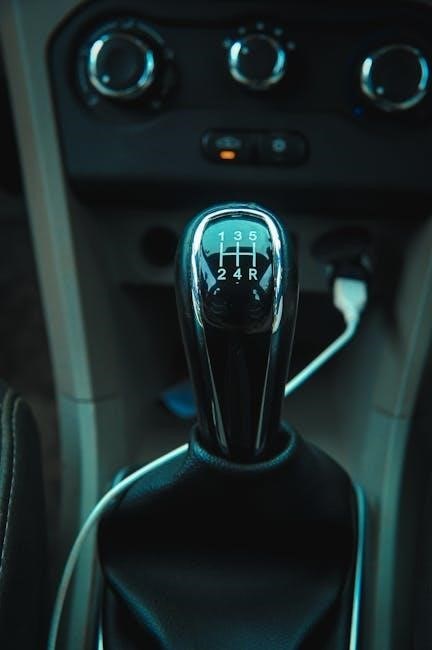
amg manual transmission
AMG’s racing roots began with the 300ESL 6․3, competing in events like Spa 24 Hours and European Touring Car Championship, showcasing early performance prowess․
Historical Context of AMG
Founded on July 1st, 1967, by Hans Werner Aufrecht and Erhard Melcher, AMG – Mercedes-AMG Gesellschaft mit beschränkter Haftung – initially focused on high-performance engine tuning․ Their early work involved modifying Mercedes-Benz vehicles for racing, quickly establishing a reputation for enhancing both power and reliability․ This dedication to performance led to participation in prestigious events like the Spa 24 Hours and the European Touring Car Championship, solidifying AMG’s racing pedigree․
The company’s evolution from a small tuning shop to a fully-fledged performance division within Mercedes-Benz is a testament to their commitment to motorsport and engineering excellence․ This history deeply informs the character of AMG vehicles, including those equipped with manual transmissions․
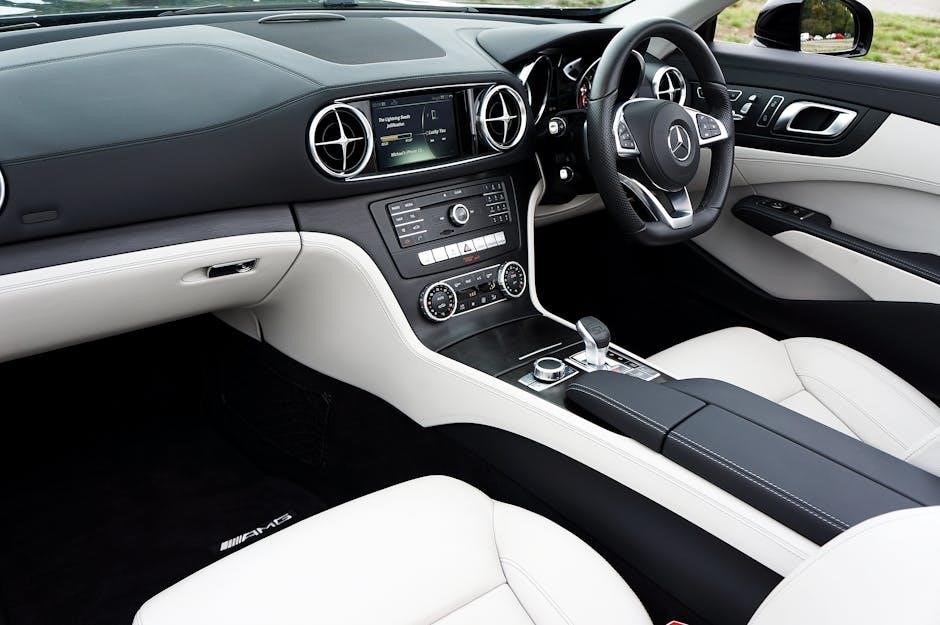
The “One Man, One Engine” Philosophy
AMG’s renowned “One Man, One Engine” philosophy, while evolving with newer models like the 2․0T C63S, historically signified a dedication to craftsmanship and individual accountability․ Each AMG engine was meticulously assembled by a single technician, who was personally responsible for its completion and performance․ This practice, now less prevalent due to increased production demands, instilled a sense of pride and quality control․
The philosophy extended beyond mere assembly; it represented a commitment to expertise and a direct link between the builder and the vehicle’s ultimate performance․ While modern AMG models, including those with automatic transmissions, still prioritize quality, the original intent of this philosophy remains a core part of the AMG identity․
Early AMG Racing Heritage (Spa 24 Hours, European Touring Car Championship)
AMG’s initial foray into motorsport established a foundation built on performance and durability, crucial for developing future manual transmission vehicles․ The 300ESL 6․3’s participation in the grueling Spa 24 Hours endurance race and the competitive European Touring Car Championship demonstrated AMG’s ability to engineer robust and reliable engines․
These early racing endeavors weren’t solely about winning; they served as a vital testing ground for new technologies and a proving ground for AMG’s engineering prowess․ Success in these events solidified AMG’s reputation for building high-performance vehicles, paving the way for the development of iconic models featuring manual gearboxes․

AMG Manual Transmission Models
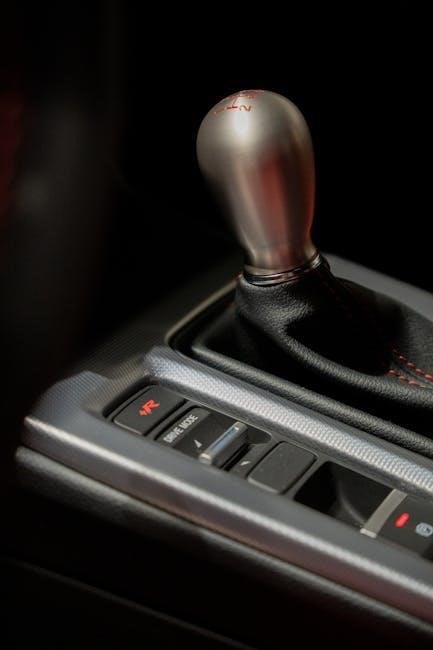
Several AMG models, including the SLS AMG, C63 AMG (W204), CLK 63 AMG Black Series, and SLK 55 AMG, were offered with engaging manual transmissions․
SLS AMG – A Modern Classic with Manual Option
The Mercedes-Benz SLS AMG, launched in 2010, directly challenged rivals like the Ferrari 458 and Lamborghini Gallardo, signifying Mercedes’ ambitious positioning․ Notably, it was available with a seven-speed dual-clutch transmission, but a traditional six-speed manual gearbox was also offered – a nod to purists․
This manual option, though less common, quickly became highly desirable․ The SLS AMG’s high price tag, starting at approximately 3․61 million RMB, reflected its performance aspirations and exclusivity․ The availability of a manual transmission further enhanced its appeal to driving enthusiasts who valued a more connected and engaging experience behind the wheel of this modern classic․
C63 AMG (W204) – The Last of the Naturally Aspirated Manuals
The W204 generation C63 AMG holds a special place in AMG history as the last model to offer a naturally aspirated V8 engine paired with a manual transmission․ This combination delivered a raw and visceral driving experience that resonated with enthusiasts․
Its powerful engine and engaging gearbox created a uniquely satisfying connection between driver and machine․ The C63 AMG’s performance wasn’t just about outright speed; it was about the feeling of control and involvement․ This model represents a turning point, marking the end of an era for naturally aspirated, manual AMG cars, making it increasingly sought after by collectors and driving purists alike․
CLK 63 AMG Black Series – Rare and Highly Sought After
The CLK 63 AMG Black Series stands as one of the rarest and most desirable AMG models ever produced, particularly those equipped with a manual transmission․ Its limited production run and aggressive styling contribute to its exclusivity and collector appeal․
This track-focused variant featured a more powerful engine, wider track, and revised suspension, delivering enhanced performance and handling․ The manual gearbox further amplified the driving experience, providing a direct connection to the potent V8․ Finding a CLK 63 Black Series with a manual transmission is a challenge, making it a prized possession for AMG enthusiasts who value a truly engaging and visceral driving experience․
SLK 55 AMG – Often Overlooked Manual Option
The SLK 55 AMG, while a capable performer, often gets overshadowed by its more prominent AMG siblings․ However, a manual transmission option was available, making certain examples surprisingly rare and appealing to purists․ This variant provides a more connected and engaging driving experience compared to the automatic versions․
Despite its potential, the SLK 55 AMG’s manual configuration is frequently overlooked in the used car market․ This relative obscurity can present an opportunity for enthusiasts seeking a unique and rewarding AMG ownership experience․ It delivers the thrilling AMG sound and performance in a more compact and accessible package, offering a distinct alternative within the AMG lineup․
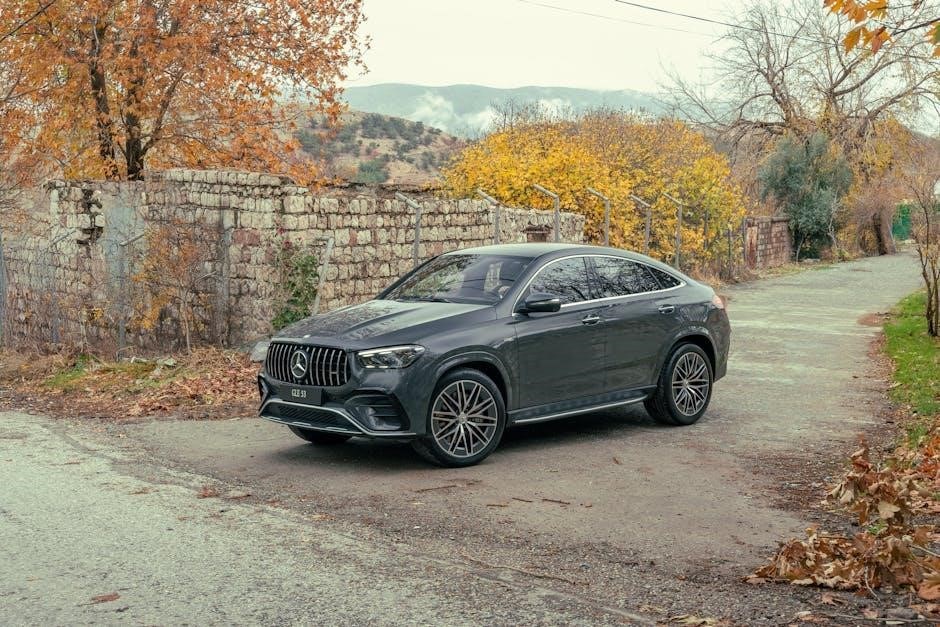
Technical Aspects of AMG Manual Gearboxes
AMG manual gearboxes featured specific gear ratios optimized for performance, robust clutch technology, and durable drivetrain components, differing from standard Mercedes manuals․
Gear Ratios and Performance Characteristics
AMG manual transmissions were meticulously engineered with gear ratios designed to maximize both acceleration and top-end speed․ These weren’t simply off-the-shelf components; they were specifically tuned to complement the high-output engines found in AMG models; Shorter ratios in the lower gears provided explosive off-the-line performance, crucial for both track and spirited road driving․
Conversely, taller ratios in higher gears allowed for comfortable cruising at highway speeds while maintaining responsiveness․ The overall effect was a transmission that felt both aggressive and refined․ The performance characteristics were further enhanced by the precise shift linkage, offering a direct and engaging connection between driver and machine․ This careful calibration of gear ratios contributed significantly to the unique driving experience offered by AMG manual cars․
Clutch Technology in AMG Manuals
AMG manual transmissions featured robust clutch systems designed to handle the substantial torque output of their powerful engines․ These weren’t standard Mercedes clutches; they were upgraded with reinforced components, including stronger pressure plates and high-friction disc materials․ This was essential to prevent slippage and ensure reliable power transfer, even under demanding driving conditions․
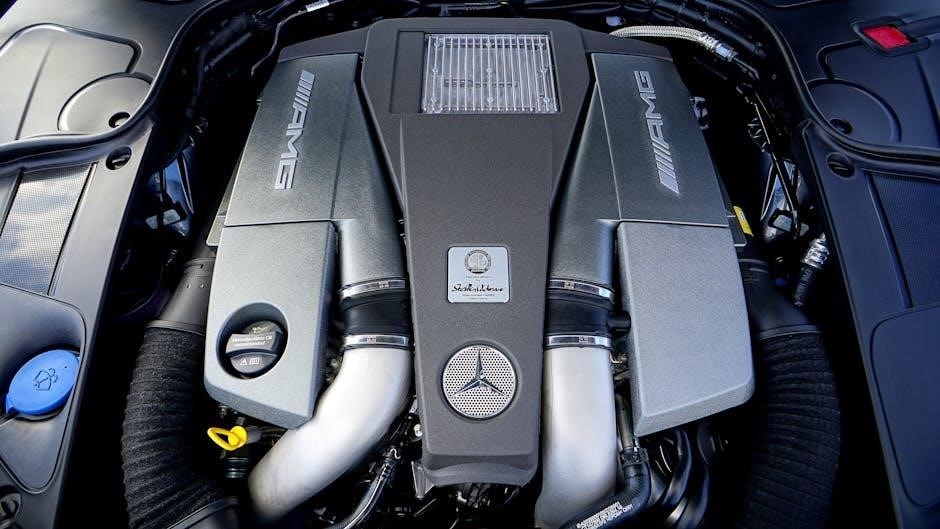
The clutch pedal feel was typically heavier than in standard manual cars, providing a more connected and engaging driving experience․ This increased pedal effort also contributed to greater control during aggressive shifting; Furthermore, AMG often utilized dual-mass flywheels to reduce vibrations and improve overall refinement without sacrificing performance․ The durability and responsiveness of these clutch systems were critical to the overall driving experience․
Drivetrain Components and Durability
AMG manual transmissions benefitted from strengthened drivetrain components beyond just the clutch․ This included reinforced gearsets, heavy-duty driveshafts, and robust differentials, all engineered to withstand the increased stresses of high-performance driving․ These upgrades were crucial for maintaining reliability and preventing failures when subjected to track use or spirited road driving․
The focus on durability extended to the transmission housing itself, often constructed from more durable materials than their standard Mercedes counterparts․ AMG’s “One Man, One Engine” philosophy likely extended to meticulous quality control during drivetrain assembly, ensuring each unit met stringent performance standards․ These components were designed to deliver consistent performance over extended periods, contributing to the long-term ownership appeal of these vehicles․
Differences Between AMG Manuals and Standard Mercedes Manuals
AMG manual transmissions weren’t simply standard Mercedes gearboxes with a different badge․ Significant internal modifications were implemented to handle the substantially increased power and torque outputs of AMG engines․ These changes included stronger gears, reinforced shift forks, and upgraded synchronizers, all designed to withstand higher loads and faster shift speeds․
Furthermore, AMG often employed different final drive ratios compared to standard models, optimizing acceleration and performance․ Clutch technology also differed, featuring heavier-duty pressure plates and friction materials for improved bite and durability․ These enhancements resulted in a more robust and engaging driving experience, setting AMG manuals apart from their standard Mercedes counterparts, justifying their premium status․
The Appeal of AMG Manual Transmissions Today
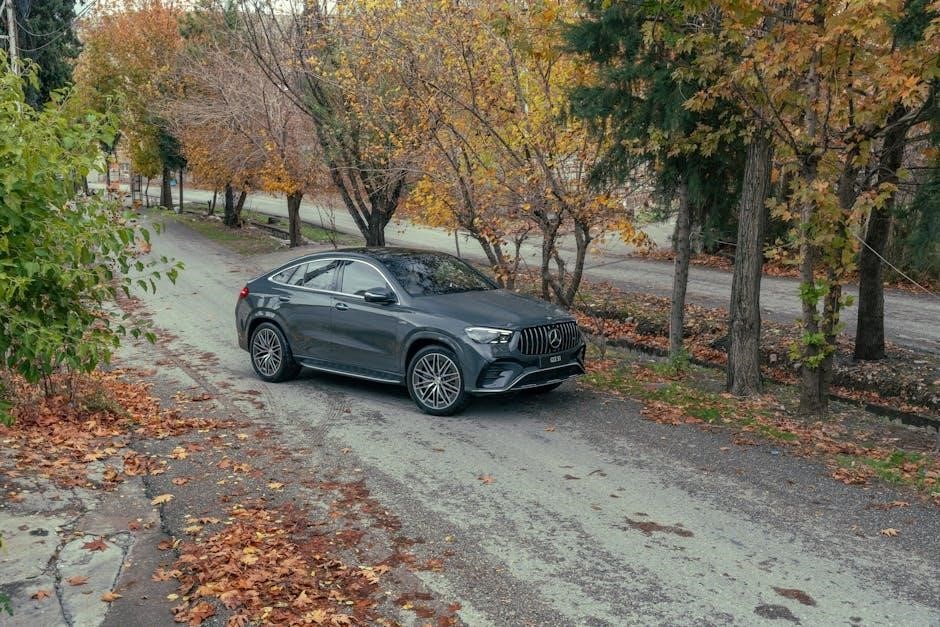
AMG manuals are increasingly collectible, prized for driver engagement and a purist driving experience in a modern automotive world dominated by automatics and dual-clutch systems․
Collector Value and Increasing Demand
The rarity of AMG manual transmission models is significantly driving up their collector value․ As fewer and fewer examples remain available, particularly well-maintained or low-mileage vehicles, demand consistently outstrips supply․ Models like the SLS AMG, C63 AMG (W204), and the exceptionally rare CLK 63 AMG Black Series are experiencing substantial price appreciation․
This trend isn’t merely speculative; it reflects a growing appreciation for the analog driving experience these cars offer․ Enthusiasts and collectors actively seek out these models as a connection to a bygone era of automotive engagement․ The “one man, one engine” philosophy further enhances their desirability, representing a commitment to craftsmanship and individual attention․ Consequently, investing in an AMG manual transmission vehicle is increasingly viewed not just as acquiring a car, but a piece of automotive history․
Driving Experience and Driver Engagement
AMG manual transmissions deliver a uniquely visceral driving experience, fostering a deeper connection between driver and machine․ Unlike modern automatics, these cars demand active participation – precise gear changes, clutch control, and throttle modulation are essential for optimal performance․ This engagement elevates the driving experience beyond mere transportation, transforming it into a truly immersive event․
The tactile feedback from the gearbox, the satisfying weight of the clutch pedal, and the direct control over engine power contribute to a sense of involvement rarely found in contemporary vehicles․ This purist approach appeals to drivers who prioritize feel and control over convenience․ It’s a driving experience that rewards skill and provides a level of satisfaction increasingly absent in the age of automated driving systems․
The Purist’s Choice in a Modern Automotive Landscape
In an era dominated by automatic and dual-clutch transmissions, AMG manual models represent a defiant stand for traditional driving values․ They cater to enthusiasts who prioritize driver involvement and a raw, unfiltered connection with the car․ These vehicles aren’t simply about achieving the fastest lap times; they’re about the joy of mastering a challenging machine․
As manufacturers increasingly focus on efficiency and ease of use, the availability of a manual gearbox in a high-performance AMG becomes a rare and cherished offering․ It’s a statement – a commitment to preserving a dying art form․ For the purist, an AMG manual isn’t just a car; it’s a symbol of a more engaging and rewarding driving experience, a throwback to a simpler, more visceral time․
Challenges and Considerations
Finding and maintaining AMG manuals can be difficult, with potential reliability concerns and higher repair costs due to their rarity and specialized components․
Finding and Maintaining AMG Manuals
Locating an AMG model equipped with a manual transmission presents a significant challenge in today’s market․ These vehicles were produced in limited numbers, making them increasingly rare and sought after by enthusiasts․ The search often involves extensive online scouring, contacting specialized dealerships, and networking within AMG communities․
Maintenance requires specialized knowledge and access to specific parts, potentially increasing costs compared to standard Mercedes-Benz vehicles․ Finding qualified mechanics familiar with AMG manual gearboxes is crucial․ Regular inspections of the clutch, transmission fluid, and shift linkages are essential to prevent costly repairs and ensure optimal performance․ Proactive maintenance is key to preserving the driving experience and collector value of these unique automobiles․
Potential Reliability Issues
While AMG manual transmissions are robust, their age and performance capabilities introduce potential reliability concerns․ High-performance driving can accelerate wear on the clutch, leading to slippage or failure․ The intricate synchronizers within the gearbox may exhibit wear over time, resulting in difficult shifting, especially at higher RPMs․
Furthermore, the increased stress on drivetrain components – driveshafts, differential – can lead to premature failure․ Regular fluid changes with the correct specification are vital, but cannot eliminate all risks․ Owners should be vigilant for unusual noises, vibrations, or changes in shift quality, addressing them promptly to prevent more extensive and expensive repairs․ Thorough pre-purchase inspections are highly recommended․
Cost of Ownership and Repairs
Owning an AMG equipped with a manual transmission often entails higher costs compared to automatic counterparts․ Specialized parts, like clutches and synchronizers, are typically more expensive and may require sourcing from limited suppliers․ Labor costs for repairs can also be substantial, demanding technicians with specific expertise in these complex gearboxes․
Preventative maintenance, including regular fluid changes with the correct specification, is crucial but adds to the ongoing expense․ Unexpected failures, such as a worn clutch or damaged gear, can result in significant repair bills․ The rarity of these models also impacts parts availability, potentially increasing costs and repair times․ Budgeting for potential issues is essential for prospective owners․

Future of AMG and Manual Transmissions
AMG is increasingly focused on automatic, dual-clutch, hybrid, and electric performance, making a future manual revival uncertain despite enthusiast demand․
The Trend Towards Automatic and Dual-Clutch Transmissions
The automotive industry has witnessed a significant shift towards automatic and dual-clutch transmissions (DCTs), largely driven by advancements in technology and consumer preference for ease of use․ AMG has embraced this trend, particularly with its AMG Speedshift DCT, found in models like the A35 and A45․
DCTs offer incredibly fast shift times and improved efficiency compared to traditional manuals, aligning with AMG’s performance-oriented ethos․ While purists lament the loss of manual options, the performance gains and broader appeal of automatics are undeniable․ This transition reflects a broader industry move, prioritizing accessibility and technological innovation over the raw engagement of a manual gearbox․
The focus on DCTs allows AMG to optimize performance parameters and deliver a more refined driving experience for a wider audience, even as the demand for manual transmissions remains a niche desire․
Possibility of a Future AMG Manual Revival
Despite the industry’s move towards automatics, the enduring appeal of manual transmissions hasn’t entirely faded․ A resurgence of interest, fueled by driving purists and collectors, could potentially prompt AMG to reconsider offering a manual option in future models․ However, this revival isn’t guaranteed․
Factors influencing such a decision include production costs, engineering complexities, and market demand․ While AMG currently prioritizes hybrid and electric performance, a limited-edition model with a manual gearbox could generate significant buzz and cater to a dedicated fanbase․
Ultimately, a manual revival hinges on demonstrating sufficient consumer interest and aligning with AMG’s overall brand strategy․ It remains a tantalizing possibility, but one that requires careful consideration and a compelling business case․
AMG’s Focus on Hybrid and Electric Performance
Mercedes-AMG is increasingly concentrating its efforts on hybrid and fully electric powertrains, reflecting the broader automotive industry’s shift towards sustainability and efficiency․ The development of technologies like the AMG ONE and the 2․0T C63S exemplifies this commitment, showcasing the integration of Formula 1-derived technology into road-going vehicles․
This strategic direction prioritizes maximizing performance through advanced electrification, often surpassing the capabilities of traditional internal combustion engines․ While the “One Man, One Engine” philosophy remains a core value, its application is evolving within this new landscape․
Consequently, the future of AMG appears less focused on preserving manual transmissions and more dedicated to pioneering cutting-edge hybrid and electric performance solutions, potentially leaving manual options behind․
AMG A35 and A45 – The Modern Era (No Manual Option)
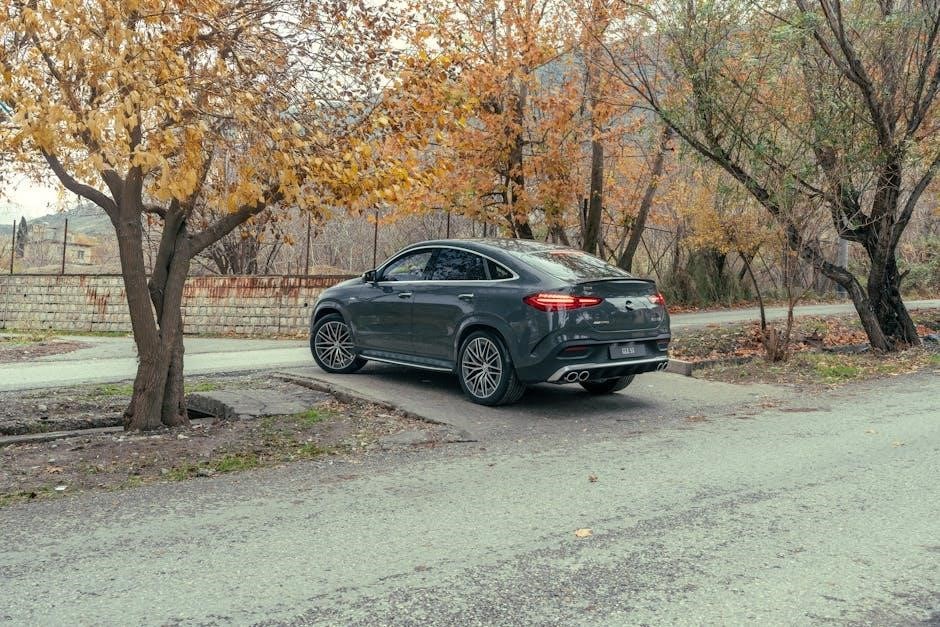
Compact AMG models, like the A35 and A45, have abandoned manual transmissions, fully embracing the AMG Speedshift DCT for quicker shifts and enhanced performance․
The Shift to Automatic Transmissions in Compact AMG Models
The transition within AMG’s compact lineup, specifically the A35 and A45, signifies a broader industry trend favoring automatic and dual-clutch transmissions․ This move prioritizes performance metrics increasingly valued by consumers – rapid acceleration and seamless gear changes․ The AMG Speedshift DCT (Dual Clutch Transmission) delivers precisely that, offering incredibly fast shifts and optimized power delivery․
While purists lament the loss of the manual option, AMG justifies this decision by highlighting the DCT’s superior capabilities in maximizing the potential of their high-output engines․ The A35 and A45 are engineered for dynamic driving experiences, and the DCT plays a crucial role in achieving this․ It allows for more consistent performance and accessibility for a wider range of drivers, ultimately enhancing the overall driving experience․
Performance Capabilities of the AMG Speedshift DCT
The AMG Speedshift DCT represents a significant leap in transmission technology, designed to complement the high-performance engines found in models like the A35 and A45․ This dual-clutch system allows for incredibly rapid gear changes, often measured in milliseconds, minimizing interruption in power delivery․ Multiple driving modes – including a dedicated Race Start function – optimize the DCT for various scenarios, from comfortable cruising to aggressive track driving․
Furthermore, the DCT’s ability to pre-select the next gear ensures instantaneous response when the driver demands acceleration․ This results in quicker lap times and a more engaging driving experience․ The sophisticated control unit constantly analyzes driving style and adjusts shift points accordingly, maximizing efficiency and performance․ It’s a key component in delivering the thrilling AMG driving experience․