
salvation army guide to donation values
Salvation Army Guide to Donation Values: A Comprehensive Plan

Understanding the fair market value of your generous donations empowers both the Salvation Army and you‚ ensuring responsible resource allocation and maximized impact.
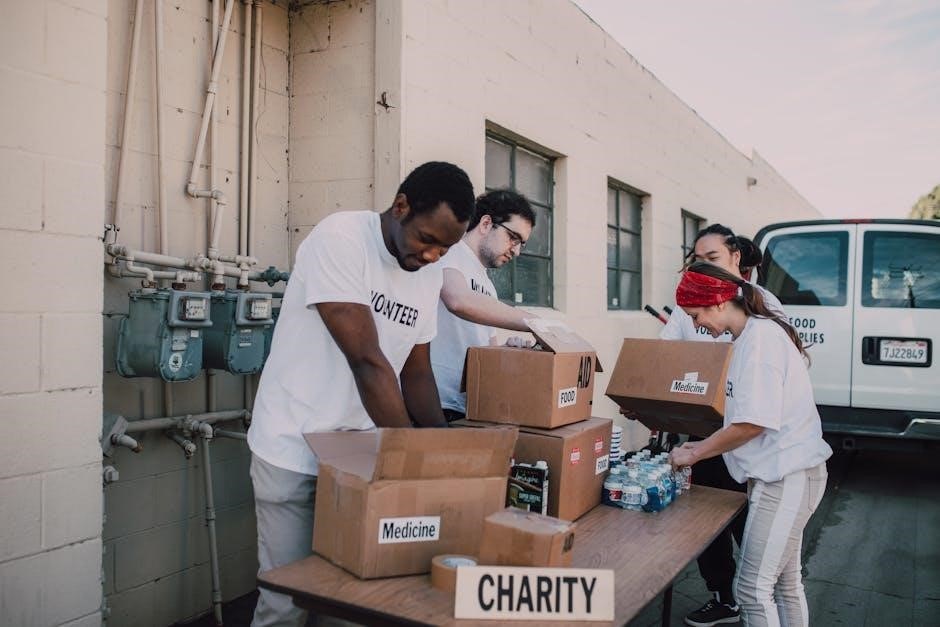
The Salvation Army deeply appreciates every donation received‚ transforming them into vital programs supporting communities nationwide. Accurate donation valuation is paramount‚ ensuring transparency and responsible stewardship of these gifts. This isn’t merely an administrative task; it’s a cornerstone of our commitment to donors and the people we serve.
Proper valuation allows us to effectively allocate resources where they are most needed – providing shelter‚ meals‚ disaster relief‚ rehabilitation services‚ and countless other essential programs. It also directly impacts our donors‚ enabling them to claim appropriate tax deductions for their charitable contributions.
This guide serves as a comprehensive resource‚ outlining our approach to valuing a wide range of donated items. We aim to provide clear‚ consistent guidelines‚ fostering trust and simplifying the donation process for everyone involved. We believe in maximizing the benefit of every contribution‚ and accurate valuation is the first step.
A; Why Valuation Matters to the Salvation Army
For The Salvation Army‚ accurate donation valuation extends far beyond simple accounting practices. It’s intrinsically linked to our mission of “doing the most good.” Knowing the fair market value of donated goods allows for precise financial reporting‚ demonstrating accountability to our supporters and the public.
This data informs budgeting decisions‚ enabling us to strategically allocate resources to programs with the greatest impact. A well-valued donation inventory helps us understand community needs and tailor our services accordingly. It also supports grant applications and fundraising efforts‚ securing further resources for our vital work.
Furthermore‚ consistent valuation ensures compliance with IRS regulations and maintains our non-profit status. Ultimately‚ valuing donations correctly allows us to stretch every dollar further‚ maximizing our ability to serve those in need and uphold our commitment to social responsibility.
B. Tax Benefits for Donors: A Brief Overview
Donating to The Salvation Army‚ a registered 501(c)(3) charity‚ may qualify you for valuable tax deductions. The amount you can deduct generally depends on the item’s fair market value – what a willing buyer would reasonably pay.

For donations totaling under $500‚ you can typically deduct the lesser of the item’s appraised value or a reasonable estimate. Maintaining a detailed list of donated items‚ along with dates and estimated values‚ is crucial.
Donations exceeding $500 require a completed IRS Form 8283‚ and potentially a qualified appraisal. We recommend consulting with a tax professional for personalized advice regarding your specific situation. Keep your donation receipt from The Salvation Army as proof of your contribution. Remember‚ tax laws are subject to change‚ so staying informed is key!
C. Scope of this Guide: What Items are Covered
This comprehensive guide aims to provide valuation assistance for the most commonly donated items received by The Salvation Army. We will focus on clothing‚ textiles‚ furniture‚ appliances‚ household goods‚ and smallwares‚ offering tiered valuation approaches based on condition and type.
Specifically‚ we’ll detail how to assess the value of gently used clothing‚ designer items‚ linens‚ modern and antique furniture‚ working and non-working appliances‚ and various kitchenware and decorative pieces.
Please note that this guide does not cover all possible donation types. Valuing unique or highly specialized items – such as artwork‚ rare collectibles‚ or real estate – requires professional appraisal. We will also briefly address vehicle donations and in-kind contributions beyond physical goods‚ directing you to specialized resources for those scenarios;
II. Clothing & Textiles Valuation
Determining the value of clothing and textile donations requires considering condition and demand. The Salvation Army utilizes a tiered system to ensure fair valuation‚ reflecting resale potential and community need.
Gently used clothing forms the bulk of these donations. We categorize items into three tiers: ‘Like New’ (minimal wear‚ original tags often present)‚ ‘Very Good’ (slight wear‚ no significant flaws)‚ and ‘Good’ (noticeable wear‚ but still usable). Valuation increases with condition within each category.
Specialty clothing‚ including designer brands and vintage pieces‚ necessitates individual assessment; Factors like brand recognition‚ rarity‚ and current market trends influence value. Household textiles – linens‚ towels‚ curtains – are valued similarly to general clothing‚ prioritizing cleanliness and usability. Stained or damaged textiles receive minimal valuation.
A. Gently Used Clothing: Tiered Valuation System
Our tiered system for gently used clothing allows for a consistent and equitable valuation process. This ensures donors receive appropriate tax deduction consideration‚ while the Salvation Army accurately reflects the resale value of items.
‘Like New’ condition (estimated value: $20 ⏤ $50 per item) signifies clothing appearing unused‚ often with original tags. ‘Very Good’ condition ($10 ⏤ $20) indicates minimal wear‚ free of stains‚ tears‚ or significant fading. These items are highly desirable for resale.
‘Good’ condition ($5 ⏤ $10) represents clothing with noticeable wear‚ perhaps minor imperfections‚ but remains fully functional and clean. Items with significant damage‚ stains‚ or odors fall outside this tiered system and receive a nominal valuation‚ or may not be accepted. This system helps maximize the impact of every donation.
Like New Condition
Clothing designated as “Like New” represents the highest valuation tier within our gently used clothing system. These items exhibit absolutely no signs of wear‚ appearing as though they were recently purchased from a retail store.
Original tags are frequently still attached‚ confirming the garment has never been worn. If tags are absent‚ the clothing must be demonstrably unworn‚ displaying pristine condition with no alterations‚ stains‚ odors‚ or imperfections of any kind.
For tax purposes‚ donors may generally estimate a value between $20 and $50 per item‚ depending on the brand‚ material‚ and original retail price. Documentation supporting this valuation‚ such as purchase receipts‚ is always helpful. The Salvation Army greatly appreciates these high-quality donations‚ as they quickly find new homes and support our programs.
Very Good Condition
Items classified as “Very Good” show minimal signs of wear and are highly desirable for resale. These garments may have been worn a few times‚ but maintain their original shape‚ color‚ and overall appearance exceptionally well.
Minor imperfections‚ such as very faint discoloration or slight wear on buttons‚ may be present‚ but are not readily noticeable. There should be no rips‚ tears‚ stains‚ or odors. All zippers and closures must be fully functional.
For valuation purposes‚ donors can typically assign a value between $10 and $25 per item‚ again considering brand‚ material‚ and original cost. Providing supporting documentation strengthens your claim. The Salvation Army relies on these donations to provide essential services to those in need‚ and “Very Good” condition items are crucial to our success.
Good Condition
“Good” condition clothing demonstrates noticeable wear but remains usable and saleable. These items may show some fading‚ minor staining‚ or slight imperfections‚ but are still free of major damage like rips or tears.
Expect to see some wear on seams‚ elbows‚ or knees. Buttons may be slightly loose‚ and zippers might require a little effort to operate. However‚ the garment should be clean and presentable‚ without any offensive odors.
When determining value for tax purposes‚ items in “Good” condition generally fall within the $5 to $15 range‚ depending on brand and original retail price. While not pristine‚ these donations still significantly contribute to the Salvation Army’s mission. Accurate assessment ensures fair valuation and maximizes the impact of your generosity‚ supporting vital community programs.
B. Specialty Clothing (Designer‚ Vintage)
Designer and vintage clothing requires a more nuanced valuation approach. Brand recognition‚ rarity‚ and current market trends significantly influence value. Items from well-known designers‚ even in “Good” condition‚ can command higher prices than standard retail brands.
Vintage pieces – generally defined as clothing over 20 years old – often increase in value with age‚ particularly if they represent a specific era or style. Researching comparable sales online (eBay‚ Etsy) is crucial for accurate assessment.
For tax deduction purposes‚ consider obtaining a professional appraisal for items exceeding $500; Documentation is key! The Salvation Army appreciates these unique donations‚ as they often generate substantial revenue for our programs. Remember to factor in any necessary repairs or cleaning when determining fair market value.
C. Household Textiles (Linens‚ Towels‚ Curtains)
Household textiles‚ including linens‚ towels‚ and curtains‚ are frequently donated‚ but their valuation requires careful consideration of condition and quality. Generally‚ these items fall into the “Good” condition tier unless they are new with tags or exhibit exceptional quality.
Complete sets (e.g.‚ a full bed linen set with sheets‚ pillowcases‚ and a comforter) are more valuable than individual pieces. Stains‚ tears‚ or significant wear will substantially reduce value. While usable towels are always appreciated‚ heavily worn or damaged ones may be recycled rather than sold.
Curtains and drapes should be clean and free of major damage. Length and style can also impact value. For tax purposes‚ reasonable estimates based on similar items sold locally are acceptable. The Salvation Army utilizes these items to support families in need.
III. Furniture & Appliances Valuation
Valuing furniture and appliances presents unique challenges due to varying conditions‚ styles‚ and functionality. Unlike clothing‚ these items often require more detailed assessment. The Salvation Army aims to responsibly utilize all donations‚ maximizing their benefit to the community.
Working appliances hold significant value‚ while non-working items may only be accepted for parts or recycling‚ impacting their tax-deductible amount. Furniture valuation hinges on condition – ranging from “Like New” to significantly worn. Style plays a role‚ with antique or designer pieces commanding higher values.
Accurate valuation requires considering local market prices for comparable items. Donors are encouraged to research similar pieces online or at local consignment shops to establish a fair market value for tax deduction purposes.
A. Furniture: Assessing Condition & Style
Determining furniture value begins with a thorough condition assessment. “Like New” furniture‚ showing minimal to no wear‚ commands the highest value. “Very Good” condition indicates slight wear‚ easily remedied. “Good” condition signifies noticeable wear‚ but remains structurally sound. Items with significant damage may be accepted for repurposing‚ but offer limited tax deduction value.
Style significantly impacts valuation. Modern furniture (post-1980) is generally valued based on current retail prices for comparable items‚ factoring in depreciation. Antique and vintage furniture requires specialized knowledge; age‚ rarity‚ and craftsmanship are key determinants.

The Salvation Army may consult with appraisers for high-value or unique pieces. Donors are encouraged to provide any existing appraisals or documentation to support their claimed value. Remember‚ fair market value is crucial for tax purposes.
Modern Furniture (Post-1980)
Valuing modern furniture relies heavily on establishing its original retail price and assessing current market trends. Generally‚ furniture manufactured after 1980 depreciates at a rate of approximately 15-25% annually‚ though this varies based on brand‚ quality‚ and demand.
Consider the original manufacturer; well-known brands often retain more value. Look for identifying marks or labels. Online marketplaces like Craigslist‚ Facebook Marketplace‚ and eBay can provide comparable sales data for similar items in similar condition.
The Salvation Army typically values modern furniture based on a percentage of its original retail price‚ adjusted for condition and age. “Like New” items may retain 70-80% of their original value‚ while “Good” condition pieces may be valued at 30-50%. Documentation‚ such as original receipts‚ is highly beneficial.
Antique & Vintage Furniture
Assessing antique and vintage furniture requires a more nuanced approach than modern pieces. Age‚ rarity‚ craftsmanship‚ and historical significance all contribute to value. Generally‚ “antique” refers to items over 100 years old‚ while “vintage” typically denotes items between 20 and 99 years old.
Key factors include wood type (mahogany‚ oak‚ walnut)‚ construction techniques (dovetail joints‚ hand carving)‚ and original finish. Identifying hallmarks‚ maker’s marks‚ or period styles (Victorian‚ Art Deco) is crucial.
The Salvation Army often consults with local antique appraisers for items of significant potential value. Donors are encouraged to provide any existing appraisals or provenance information. Valuation considers current market demand‚ auction results‚ and the item’s overall condition. Expect a wider valuation range‚ from modest to substantial‚ depending on these factors.
B. Appliances: Working vs. Non-Working
The valuation of appliances hinges dramatically on their operational status. Fully functioning appliances – refrigerators‚ washing machines‚ dryers‚ stoves‚ dishwashers – hold considerably more value than non-working units. Working appliances are assessed based on age‚ brand reputation‚ energy efficiency‚ and cosmetic condition.
Non-working appliances‚ while accepted‚ are primarily valued for scrap metal recycling. Their contribution is minimal‚ often a nominal deduction for the donor. The Salvation Army partners with responsible recycling facilities to ensure environmentally sound disposal.
Donors should clearly indicate whether an appliance is in working order. Attempting to donate a non-disclosed broken appliance can create logistical challenges. Transparency is appreciated. Valuation for working appliances typically ranges from $50 to $300‚ depending on the factors mentioned above‚ while non-working items receive a minimal value.
C. Electronics (TVs‚ Stereos‚ Computers) ‒ Depreciation Factors
Electronics experience rapid depreciation; therefore‚ valuation requires careful consideration of age and technological advancements. TVs‚ stereos‚ and computers lose value quickly as newer models emerge. We primarily assess based on current market value for comparable used items.
Computers are valued based on processor speed‚ RAM‚ storage capacity‚ and operating system. Functional laptops generally fetch higher values than desktops. Flat-screen TVs are valued higher than older CRT models. Stereos with auxiliary inputs or Bluetooth connectivity are more desirable.
Donated electronics must be in working condition to qualify for a significant tax deduction. Non-functional items may be accepted for responsible recycling‚ but receive minimal valuation. Expect depreciation rates of 15-30% annually for most electronics. A recent‚ working laptop might be valued between $100-$500‚ while older models will be considerably less.
IV. Household Goods & Smallwares Valuation
Valuing household goods and smallwares requires assessing usability and current demand. Items should be clean and in good working order to maximize their potential value. We categorize these donations based on their condition and resale potential within our Family Stores.
Kitchenware‚ like pots‚ pans‚ and dishes‚ is valued as sets or individual pieces. Complete sets in good condition command higher prices. Decorative items‚ including vases‚ picture frames‚ and artwork‚ are assessed based on aesthetic appeal and perceived market value.

Collectibles‚ such as figurines or vintage items‚ may require further research to determine fair market value. Books‚ music (vinyl‚ CDs)‚ and media (DVDs) are valued based on title‚ condition‚ and current popularity. Generally‚ we assign modest values to these items‚ reflecting their resale potential to budget-conscious shoppers.
A. Kitchenware & Cookware
Kitchenware and cookware donations are highly valued‚ providing essential items for families transitioning into independent living. Valuation hinges on completeness of sets‚ material quality‚ and overall condition. Stainless steel and cast iron generally hold higher value than heavily worn or damaged items.
Complete cookware sets – including pots‚ pans‚ and lids – are assessed as a unit‚ with value decreasing for missing pieces. Individual pots and pans are evaluated based on size‚ material‚ and condition. Non-stick surfaces should be intact‚ and handles securely attached.
Small kitchen appliances‚ like toasters or blenders‚ must be in working order to be assigned significant value. Chipped or cracked dishes are typically not resold but may be recycled. Cleanliness is paramount; items should be thoroughly washed before donation to facilitate quicker processing and resale.
B. Decorative Items & Collectibles
Decorative items and collectibles present a varied valuation challenge‚ requiring assessment of aesthetic appeal‚ current market trends‚ and condition. Items like artwork‚ vases‚ figurines‚ and seasonal décor are evaluated individually.

Artwork – paintings‚ prints‚ and sculptures – benefit from artist recognition and provenance‚ though the Salvation Army typically assigns modest values. Condition is crucial; damage significantly reduces worth. Collectibles‚ such as vintage toys or limited-edition items‚ require research to determine current resale value.
Seasonal decorations (Christmas ornaments‚ Halloween props) are valued based on completeness and condition‚ with newer‚ undamaged items fetching higher prices. Broken or heavily faded items may be repurposed or recycled. The Salvation Army aims to maximize value while responsibly managing donations.
C. Books‚ Music‚ & Media
Books‚ music‚ and media donations are consistently received‚ and valuation hinges on several factors. Hardcover books in good condition generally hold more value than paperbacks. First editions‚ signed copies‚ or those with collectible appeal command higher prices‚ though specialized appraisal is often beyond the scope of initial donation assessment.
Music media – CDs‚ vinyl records‚ and cassettes – are evaluated based on artist popularity‚ rarity‚ and condition. Vinyl records‚ particularly those in original packaging and excellent condition‚ can be quite valuable. DVDs and Blu-rays are assessed similarly‚ with newer releases and box sets being more desirable.

Outdated media‚ like VHS tapes‚ typically have minimal value but may be recycled. The Salvation Army prioritizes items with current market demand‚ ensuring donations are efficiently utilized.

V. Special Considerations & Resources
Beyond standard donations‚ the Salvation Army accepts unique contributions requiring specific valuation approaches. Vehicle donations‚ for instance‚ follow a separate process involving fair market value determination based on Kelley Blue Book or similar resources‚ with potential tax deductions calculated accordingly.
In-kind donations extending beyond material goods – professional services‚ skills-based volunteering‚ or corporate sponsorships – are also highly valued. While these don’t fit the traditional valuation model‚ their impact is significant and documented for both parties.
For further assistance‚ donors can consult the Salvation Army’s website for detailed guidelines‚ donation locations‚ and contact information for valuation support. Local family stores can also provide preliminary assessments. Remember to retain donation receipts for tax purposes!
A. Donating Vehicles: A Separate Valuation Process
Vehicle donations to the Salvation Army require a distinct valuation method compared to clothing or household items. The IRS mandates determining the fair market value (FMV) at the time of donation. Resources like Kelley Blue Book (KBB)‚ Edmunds‚ and NADAguides are commonly used to establish this value‚ considering the vehicle’s make‚ model‚ year‚ mileage‚ and condition.
If the vehicle sells for $500 or less‚ your deduction is generally limited to the sale price. However‚ if it sells for more than $500‚ you can deduct the FMV‚ or the sale price if lower. A written acknowledgement from the Salvation Army is crucial‚ detailing the vehicle information and the date of transfer.
For vehicles valued over $5‚000‚ a qualified appraisal may be required. Detailed information and necessary forms are available on the Salvation Army website and the IRS website (Form 1098-C).

B. In-Kind Donations Beyond Material Goods
The Salvation Army gratefully accepts “in-kind” donations extending beyond tangible items like clothing and furniture. These encompass professional services‚ skills-based volunteering valued at an hourly rate‚ and even intellectual property licenses offered for charitable use. Accurately valuing these contributions is vital for both the donor and the organization.
For professional services‚ the standard fee typically charged for that service establishes the donation’s value. Documenting the hours contributed and the usual rate is essential. Similarly‚ skilled labor donations are valued based on prevailing wage rates for the specific skillset.
Detailed records – including service descriptions‚ dates‚ and agreed-upon rates – are crucial for substantiation. While the Salvation Army appreciates all forms of support‚ remember that IRS regulations govern deductible donation amounts. Consult IRS Publication 526 for detailed guidance.
C. Salvation Army Resources for Donors & Valuation Assistance
To assist donors in accurately determining donation values‚ The Salvation Army provides several helpful resources. Our local Family Stores can offer preliminary assessments of common household items‚ clothing‚ and furniture‚ though these are estimates for internal processing.
For more complex valuations – particularly antiques‚ collectibles‚ or significant in-kind contributions – we recommend consulting with a qualified appraiser. The Salvation Army does not directly provide formal appraisal services‚ but we can often suggest local resources.
Our website‚ www.salvationarmyusa.org‚ features a dedicated ‘Donation Information’ section with frequently asked questions and links to relevant IRS publications. Donors are encouraged to retain detailed records of all donations for tax purposes. Local Salvation Army representatives are also available to answer general inquiries and guide you through the donation process.