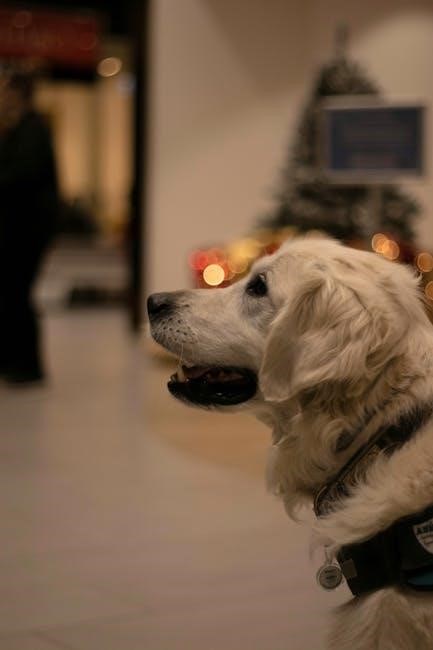
guiding eyes for the blind patterson ny
Guiding Eyes for the Blind: Patterson‚ NY – A Comprehensive Overview
Guiding Eyes for the Blind‚ established in 1954‚ operates a significant Canine Development Center in Patterson‚ New York. This nonprofit organization is dedicated to providing expertly trained guide dogs to individuals experiencing vision loss‚ fostering independence and enhanced mobility.
History and Founding
Guiding Eyes for the Blind traces its origins back to 1954‚ a period marked by a growing recognition of the transformative potential of guide dogs for individuals with visual impairments. Founded on a core belief in the power of partnership between humans and canines‚ the organization initially focused on providing a limited number of expertly trained dogs. The early years were characterized by dedicated volunteers and a reliance on the generosity of supporters‚ a foundation that continues to be vital today.
Over the decades‚ Guiding Eyes steadily expanded its operations and refined its training methodologies. A pivotal moment arrived with the establishment of the Canine Development Center in Patterson‚ New York. This strategic location provided the space and resources necessary to significantly increase the number of dogs bred‚ raised‚ and trained annually. The Patterson facility‚ completed in 2015‚ represents a substantial investment in the organization’s future and its commitment to serving a growing population in need.
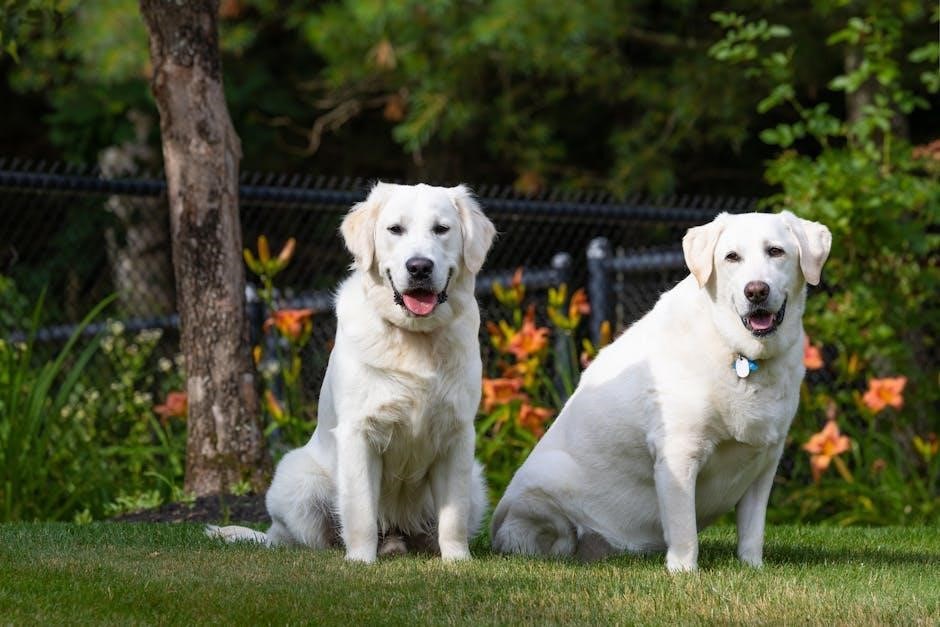
Throughout its 71-year history‚ Guiding Eyes has remained steadfast in its mission‚ adapting to evolving needs while upholding its core values of compassion‚ dedication‚ and innovation. The organization’s longevity is a testament to its effective programs and the enduring support of its community.
Mission and Core Values
Guiding Eyes for the Blind’s core mission is to empower individuals with vision loss to achieve greater independence and fulfillment through the gift of expertly trained guide dogs; This commitment extends beyond simply providing a canine companion; it encompasses a holistic approach to support‚ fostering a partnership that enhances mobility‚ confidence‚ and overall quality of life.
Central to Guiding Eyes’ operations are several key core values. Compassion drives their dedication to serving the blind and visually impaired community with empathy and understanding. Integrity guides their ethical practices in breeding‚ training‚ and matching dogs with applicants. Excellence is reflected in their rigorous training standards and commitment to continuous improvement.
Furthermore‚ Guiding Eyes prioritizes respect – for both the individuals they serve and the dogs in their care. They also value community‚ recognizing the vital role of volunteers‚ donors‚ and staff in achieving their mission. The organization thrives on “goodness‚” as described‚ relying on a loyal base of supporters and dedicated personnel to overcome challenges and expand their reach.
Location and Facilities in Patterson‚ NY
Guiding Eyes for the Blind’s primary Canine Development Center is strategically located at 361 Route 164‚ Patterson‚ NY 12563. This location serves as the central hub for the organization’s crucial work in breeding‚ raising‚ and training future guide dogs; The facility’s placement in Patterson provides a conducive environment for canine development‚ offering ample space for training and socialization.
The Patterson campus encompasses state-of-the-art facilities designed to meet the specific needs of a growing guide dog program. These include dedicated breeding and whelping areas‚ spacious puppy development zones‚ and comprehensive training grounds. The campus also supports administrative offices and educational resources.
Completed in 2015‚ the Canine Development Center‚ designed by KGD Architects‚ represents a significant investment in the future of the organization. Beyond the core facilities‚ Guiding Eyes maintains a presence in Yorktown‚ further expanding its operational capacity. The Patterson location is easily accessible and serves as a welcoming point for visitors‚ volunteers‚ and those seeking information about their services.
The Canine Development Center: A Detailed Look
The Guiding Eyes for the Blind Canine Development Center in Patterson‚ NY‚ is the foundational cornerstone of their guide dog program. It’s where the journey of a future guide dog begins‚ encompassing all critical early stages of development. This facility isn’t merely a kennel; it’s a carefully designed environment focused on nurturing potential and preparing dogs for complex service roles.
Within the center‚ dedicated spaces support each phase – from breeding and birthing to intensive socialization and preliminary training. Expert staff and devoted volunteers work collaboratively to ensure each puppy receives optimal care and exposure. The center prioritizes creating a stimulating and enriching environment‚ crucial for developing confident and adaptable dogs.
The facility’s design‚ completed in 2015‚ reflects a commitment to canine welfare and program efficiency. It allows for meticulous observation and assessment of each puppy’s temperament and aptitude. Ultimately‚ the Canine Development Center is the birthplace of independence for individuals with vision loss‚ meticulously crafting the next generation of life-changing guide dogs.
Breeding Program
The Guiding Eyes for the Blind breeding program is a meticulously managed process‚ central to producing healthy‚ temperamentally sound guide dog candidates. It’s not about breeding for aesthetics‚ but for specific traits essential for successful guide work – intelligence‚ trainability‚ calm demeanor‚ and physical suitability. Labrador Retrievers‚ Golden Retrievers‚ and crosses of the two are primarily utilized‚ chosen for their proven abilities.
Careful consideration is given to genetic health‚ with rigorous screening for hereditary conditions common in these breeds. This proactive approach minimizes the risk of health issues later in life‚ ensuring the dogs can fulfill their demanding roles. Breeding pairs are selected based on their individual strengths and contributions to the overall gene pool.
The program isn’t about quantity; it’s about quality. Guiding Eyes prioritizes producing a smaller number of exceptionally well-suited puppies‚ rather than a large number of potentially less-qualified candidates. This dedication to selective breeding forms the very foundation of their successful guide dog program‚ maximizing the potential for future partnerships;
Puppy Birthing and Early Development
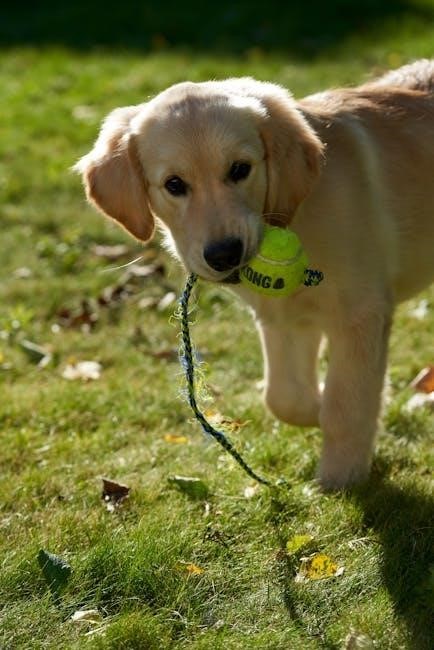
At the Guiding Eyes for the Blind Canine Development Center in Patterson‚ NY‚ the birthing process is carefully monitored by experienced staff‚ ensuring the health and well-being of both the mother and her puppies. A quiet‚ clean‚ and stimulating environment is provided to facilitate a natural and stress-free delivery.
The first few weeks are critical for early neurological stimulation and socialization. Puppies undergo a series of gentle exercises designed to enhance their sensory development and build confidence. These exercises include exposure to different textures‚ sounds‚ and mild challenges.
From birth‚ puppies are weighed daily and closely observed for any signs of illness or developmental delays. Veterinary care is readily available‚ and preventative health measures are strictly followed. This period focuses on establishing a strong foundation for future training‚ nurturing both physical and emotional well-being. Early handling by different caregivers is also crucial‚ preparing them for human interaction.
Socialization of Puppies
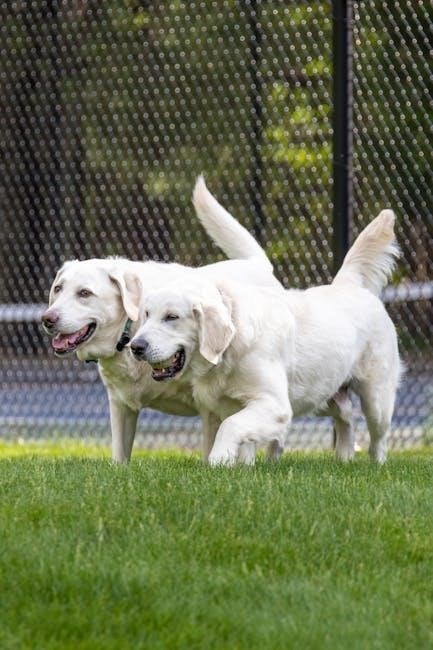
Guiding Eyes for the Blind’s socialization program‚ based in Patterson‚ NY‚ is a meticulously planned process designed to expose puppies to a wide variety of sights‚ sounds‚ smells‚ and experiences. This crucial phase aims to build confidence and adaptability‚ essential qualities for successful guide dogs.
Puppies are gradually introduced to different environments – urban settings‚ public transportation‚ stores‚ and various terrains. They encounter diverse people‚ including those using wheelchairs or walkers‚ and interact with other friendly‚ vaccinated dogs. Controlled exposure to novel stimuli‚ like umbrellas or bicycles‚ helps desensitize them to potential distractions.
Positive reinforcement techniques are employed throughout socialization‚ rewarding calm and confident behavior. The goal is to create puppies who are comfortable and unfazed by the complexities of the human world. This early socialization lays the groundwork for their future training‚ ensuring they can navigate busy environments safely and effectively‚ providing reliable guidance to their future handlers.
Screening and Selection Process
Guiding Eyes for the Blind’s rigorous screening and selection process‚ conducted at their Patterson‚ NY facility‚ is pivotal in identifying puppies with the potential to become exceptional guide dogs. This multi-stage evaluation begins early‚ assessing temperament‚ health‚ and trainability.
Initial assessments focus on genetic health and conformation‚ ensuring puppies meet specific physical standards. Temperament testing evaluates characteristics like confidence‚ independence‚ and willingness to learn. Puppies demonstrating a strong desire to please and a calm demeanor are prioritized.
As puppies mature‚ their responses to various stimuli are closely observed. Those exhibiting sensitivity to their handler‚ a natural aptitude for problem-solving‚ and resilience in challenging situations progress further. Not all puppies are suited for guide work; those that don’t meet the stringent criteria may be placed in alternative careers‚ such as service dogs or companion animals‚ ensuring every puppy finds a fulfilling role.
Puppy Raising Homes
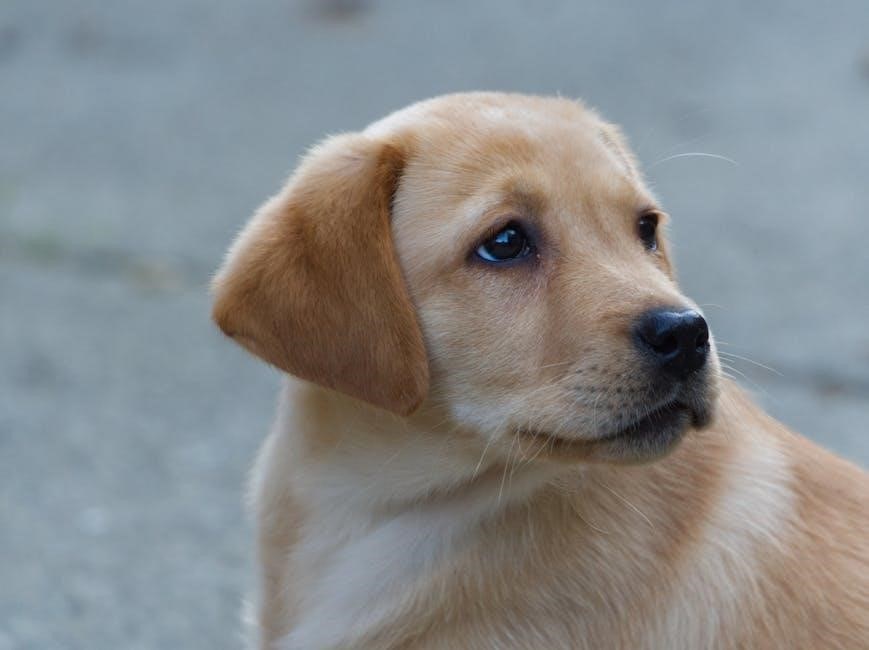
Guiding Eyes for the Blind relies heavily on dedicated volunteer Puppy Raising Homes located throughout the Northeast‚ and beyond‚ to provide crucial early development for future guide dogs. These homes‚ carefully vetted and trained‚ offer puppies a loving family environment and expose them to a wide range of everyday experiences.
Puppy Raisers are responsible for providing basic obedience training‚ socialization‚ and consistent positive reinforcement. They introduce puppies to various environments – including public transportation‚ stores‚ restaurants‚ and schools – helping them build confidence and adaptability. Regular veterinary care and adherence to Guiding Eyes’ guidelines are essential.
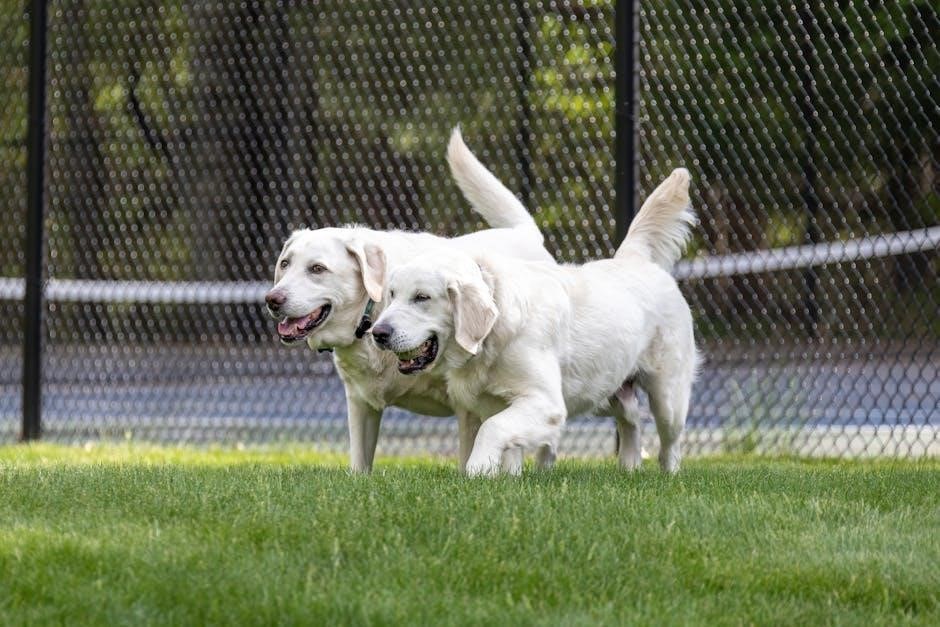
The role extends beyond basic care; Puppy Raisers act as vital observers‚ reporting on the puppy’s progress and any potential concerns. This collaborative approach ensures puppies receive consistent guidance and support. After approximately 14-18 months‚ the puppies return to Guiding Eyes in Patterson‚ NY‚ for formal guide dog training‚ equipped with a solid foundation of social skills and good manners.
The Role of Volunteers
Guiding Eyes for the Blind thrives on the dedication of countless volunteers who contribute their time and skills across various aspects of the organization’s operations in Patterson‚ NY‚ and beyond. Volunteers are integral to nearly every facet of the guide dog training process‚ demonstrating a remarkable commitment to the mission.
Beyond Puppy Raising Homes‚ volunteers assist with administrative tasks‚ event coordination‚ fundraising initiatives‚ and providing support at the Canine Development Center. They also play a crucial role in transporting dogs to veterinary appointments and assisting with socialization activities. Skilled individuals contribute their expertise in areas like marketing‚ public relations‚ and technology;
The organization deeply values the generosity of its volunteer base‚ recognizing that their contributions are essential to its success. Guiding Eyes provides comprehensive training and ongoing support to ensure volunteers are well-equipped to fulfill their roles effectively. Their selfless dedication directly impacts the lives of individuals with vision loss‚ empowering them with increased independence and mobility.
Guide Dog Training Curriculum
The Guiding Eyes for the Blind training curriculum is a rigorous and comprehensive program designed to equip dogs with the skills necessary to safely and effectively guide individuals with visual impairments. This intensive training‚ largely conducted at the Patterson‚ NY facility‚ builds upon the foundation laid during puppyhood and early socialization.
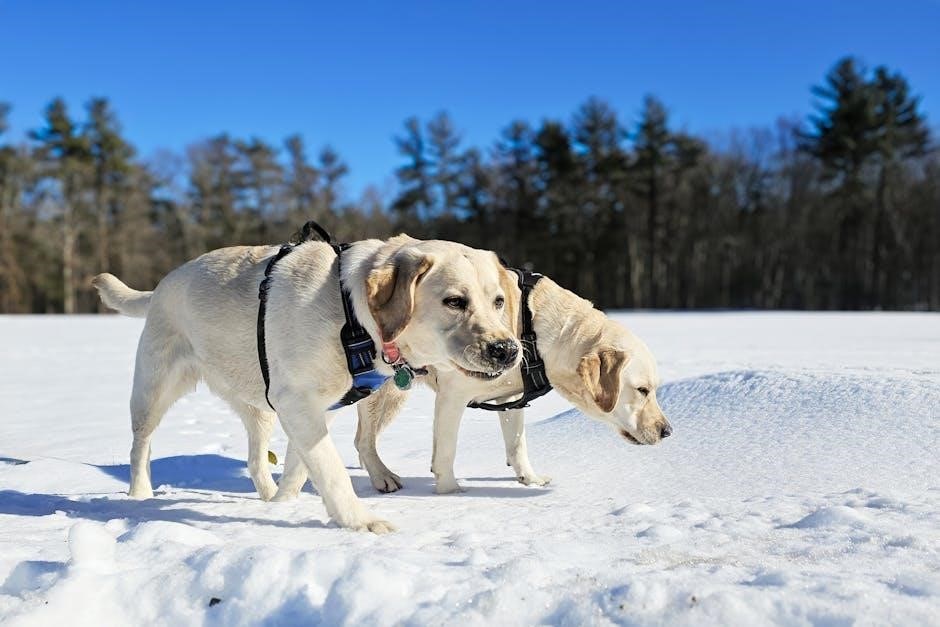
The curriculum progresses through several stages‚ beginning with basic obedience and progressing to advanced skills such as navigating obstacles‚ negotiating traffic‚ and responding to commands in diverse environments. Trainers utilize positive reinforcement methods‚ fostering a strong bond between the dog and future handler.
Dogs are exposed to a wide range of real-world scenarios‚ including urban settings‚ public transportation‚ and varying terrain. Emphasis is placed on problem-solving‚ intelligent disobedience (safely refusing a command that would lead to danger)‚ and maintaining focus amidst distractions. The ultimate goal is to create a reliable and confident guide dog capable of enhancing the independence and quality of life for their handler.
Matching Dogs with Applicants
Guiding Eyes for the Blind employs a meticulous matching process to pair guide dogs with applicants‚ ensuring a harmonious and productive partnership. This crucial step‚ coordinated from their Patterson‚ NY headquarters‚ goes far beyond simply considering physical capabilities.
The organization carefully evaluates applicant lifestyles‚ activity levels‚ personalities‚ and specific needs. Detailed questionnaires‚ interviews‚ and home visits provide a comprehensive understanding of each applicant’s unique circumstances. Simultaneously‚ trainers thoroughly assess each dog’s temperament‚ working style‚ and energy level.
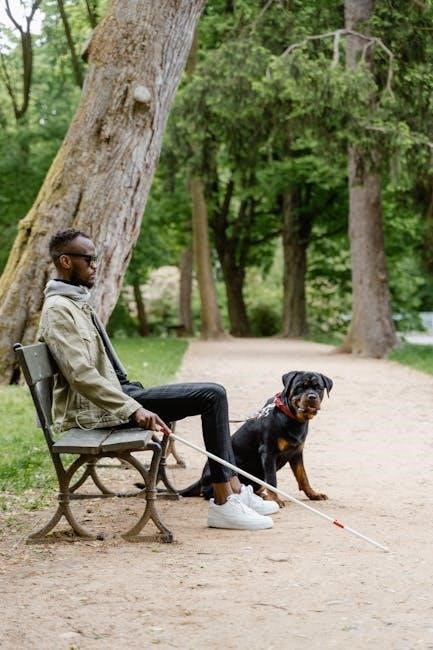
The goal is to identify a dog whose characteristics complement the applicant’s‚ fostering a strong bond and maximizing the dog’s effectiveness as a guide. Factors like walking speed‚ preferred environments‚ and the applicant’s comfort level with different dog behaviors are all taken into consideration. This personalized approach significantly increases the success rate of guide dog partnerships‚ empowering individuals with vision loss to live more independent and fulfilling lives.
Services Provided to Blind and Visually Impaired Individuals
Guiding Eyes for the Blind‚ based in Patterson‚ NY‚ offers a comprehensive suite of services designed to empower individuals with blindness and visual impairment. The core service is‚ of course‚ providing expertly trained guide dogs‚ but their commitment extends far beyond simply placing a dog with an applicant.
Applicants receive intensive‚ individualized training with their assigned dog‚ typically a two-week residential program at the Patterson facility. This training covers essential skills like safe street crossings‚ navigating public transportation‚ and handling various obstacles. Crucially‚ training isn’t just for the individual; it’s a collaborative learning experience‚ building a strong working partnership.
Beyond initial training‚ Guiding Eyes provides ongoing support and resources‚ including post-placement follow-up‚ refresher courses‚ and access to a dedicated network of professionals. They also offer support groups and educational materials‚ fostering a community of independence and shared experience. Their holistic approach ensures long-term success and well-being for both the individual and their guide dog.
Post-Placement Support and Follow-Up
Guiding Eyes for the Blind recognizes that the journey doesn’t end when a guide dog is placed with an individual. Robust post-placement support is a cornerstone of their program‚ ensuring lasting success and a strong partnership between handler and dog. This commitment begins with regular check-ins during the initial adjustment period‚ often conducted remotely by experienced instructors.
Follow-up visits‚ both in-person and virtual‚ are scheduled throughout the dog’s working life. These assessments address any challenges the handler might be facing‚ offering tailored guidance and problem-solving strategies. Guiding Eyes also provides access to refresher training‚ allowing handlers to reinforce skills and adapt to changing circumstances.
Furthermore‚ a dedicated support network connects handlers with each other‚ fostering a sense of community and shared experience. This network provides a valuable platform for exchanging advice‚ encouragement‚ and practical tips. Guiding Eyes’ proactive approach to post-placement care demonstrates their unwavering dedication to the long-term well-being of both the individual and their canine partner.
Impact and Success Stories
Guiding Eyes for the Blind‚ since its founding in 1954‚ has profoundly impacted the lives of countless individuals with vision loss. The organization’s dedication extends beyond simply providing a guide dog; it’s about fostering independence‚ confidence‚ and a renewed sense of freedom. Graduates consistently report increased mobility‚ enhanced social interaction‚ and a greater ability to pursue educational and professional opportunities.
Numerous success stories illustrate this transformative impact. Individuals previously reliant on others have gained the ability to navigate their surroundings independently‚ travel with ease‚ and participate fully in community life. These stories often highlight the unique bond formed between handler and dog‚ a partnership built on trust‚ mutual respect‚ and unwavering companionship.
Guiding Eyes actively shares these inspiring narratives‚ showcasing the tangible difference their work makes. These testimonials serve not only as a source of encouragement for prospective applicants but also as a powerful demonstration of the organization’s effectiveness and commitment to empowering individuals with blindness and visual impairment.
Financial Information and Support
Guiding Eyes for the Blind operates as a nonprofit organization‚ relying heavily on the generosity of donors and supporters to fulfill its mission. The cost of breeding‚ raising‚ training‚ and matching a guide dog is substantial‚ estimated at over $50‚000 per dog. This encompasses veterinary care‚ specialized training‚ and ongoing support for both the dog and the handler.
Funding sources are diverse‚ including individual donations‚ corporate sponsorships‚ grants from foundations‚ and fundraising events. Transparency in financial management is a priority‚ with detailed annual reports publicly available on their website; These reports outline income‚ expenses‚ and program allocations‚ demonstrating responsible stewardship of donor funds.
Guiding Eyes offers various avenues for financial support‚ including one-time donations‚ monthly giving programs‚ and planned giving options. Supporters can also contribute through sponsorships of specific puppies or participate in fundraising campaigns. Every contribution‚ regardless of size‚ plays a vital role in enabling the organization to continue providing life-changing services to individuals with vision loss.
Expansion Plans and Future Goals
Guiding Eyes for the Blind is actively pursuing expansion plans to address the growing demand for its services. Recognizing a significant need for increased capacity‚ the organization intends to build a new wellness center to enhance the health and longevity of their canine partners. This expansion reflects a commitment to providing even higher quality care for the dogs throughout their working lives.
Future goals include increasing the number of guide dogs trained and placed annually‚ as well as expanding services to reach a broader population of individuals with vision loss. This involves refining training methodologies‚ exploring innovative technologies‚ and strengthening partnerships with other organizations in the field.
Guiding Eyes also aims to enhance its post-placement support programs‚ ensuring that handlers have access to ongoing resources and assistance. Ultimately‚ the organization envisions a future where more people with blindness or visual impairment can experience the freedom and independence that a guide dog provides‚ fostering a more inclusive and accessible society.
Community Involvement and Outreach
Guiding Eyes for the Blind actively cultivates strong ties with the Patterson‚ NY‚ community and beyond. A cornerstone of their operation relies heavily on dedicated volunteers‚ particularly through the Puppy Raising Homes program‚ where families nurture and socialize future guide dogs. This fosters a collaborative spirit and provides invaluable early development for the canines.
The organization regularly participates in local events and outreach initiatives to raise awareness about vision loss and the vital role guide dogs play in enhancing independence. They offer educational presentations and demonstrations‚ fostering understanding and empathy within the community.
Guiding Eyes also leverages social media platforms‚ like Facebook‚ to connect with supporters and share success stories. This digital outreach expands their reach and encourages broader engagement. By actively involving the community‚ Guiding Eyes not only secures essential support but also promotes a more inclusive and accessible environment for individuals with visual impairments.
How to Get Involved: Donations‚ Volunteering‚ and Advocacy
Supporting Guiding Eyes for the Blind is multifaceted‚ offering opportunities for donations‚ volunteering‚ and advocacy. Financial contributions are crucial‚ directly funding the breeding‚ training‚ and placement of guide dogs. Donations can be made online through their website or via traditional methods‚ supporting their vital mission.
Volunteering is equally impactful. Becoming a Puppy Raising Home is a significant commitment‚ providing a loving environment for puppies during their crucial formative months. Other volunteer roles include assisting at events‚ providing administrative support‚ and offering specialized skills.
Advocacy plays a key role in raising awareness about the needs of the visually impaired community. Sharing Guiding Eyes’ story‚ promoting their services‚ and advocating for accessibility are powerful ways to contribute. Individuals can also engage with their local representatives to champion policies that support individuals with disabilities. Every contribution‚ large or small‚ helps Guiding Eyes continue its life-changing work.